NETWORKING & CONNECTIVITY

Reliable connectivity for security and business systems.

Wi-Fi, fibre, structured cabling, switching and PoE infrastructure designed around coverage, capacity, segmentation and supportability.

NETWORK DELIVERY

A network should be designed around users, devices and applications.

Security cameras, access control and business applications all rely on stable connectivity. The network design should account for coverage, throughput, power, physical routes and growth.

01

Assess Coverage

Understand users, devices, building layout, distances, interference and bandwidth requirements.

02

Design Architecture

Plan switching, fibre, copper, wireless, PoE, VLANs and uplinks around the site.

03

Install & Configure

Deploy cabling, racks, switches, access points and links according to the approved scope.

04

Test & Document

Verify connectivity, identify ports and links, and record the agreed configuration and handover details.
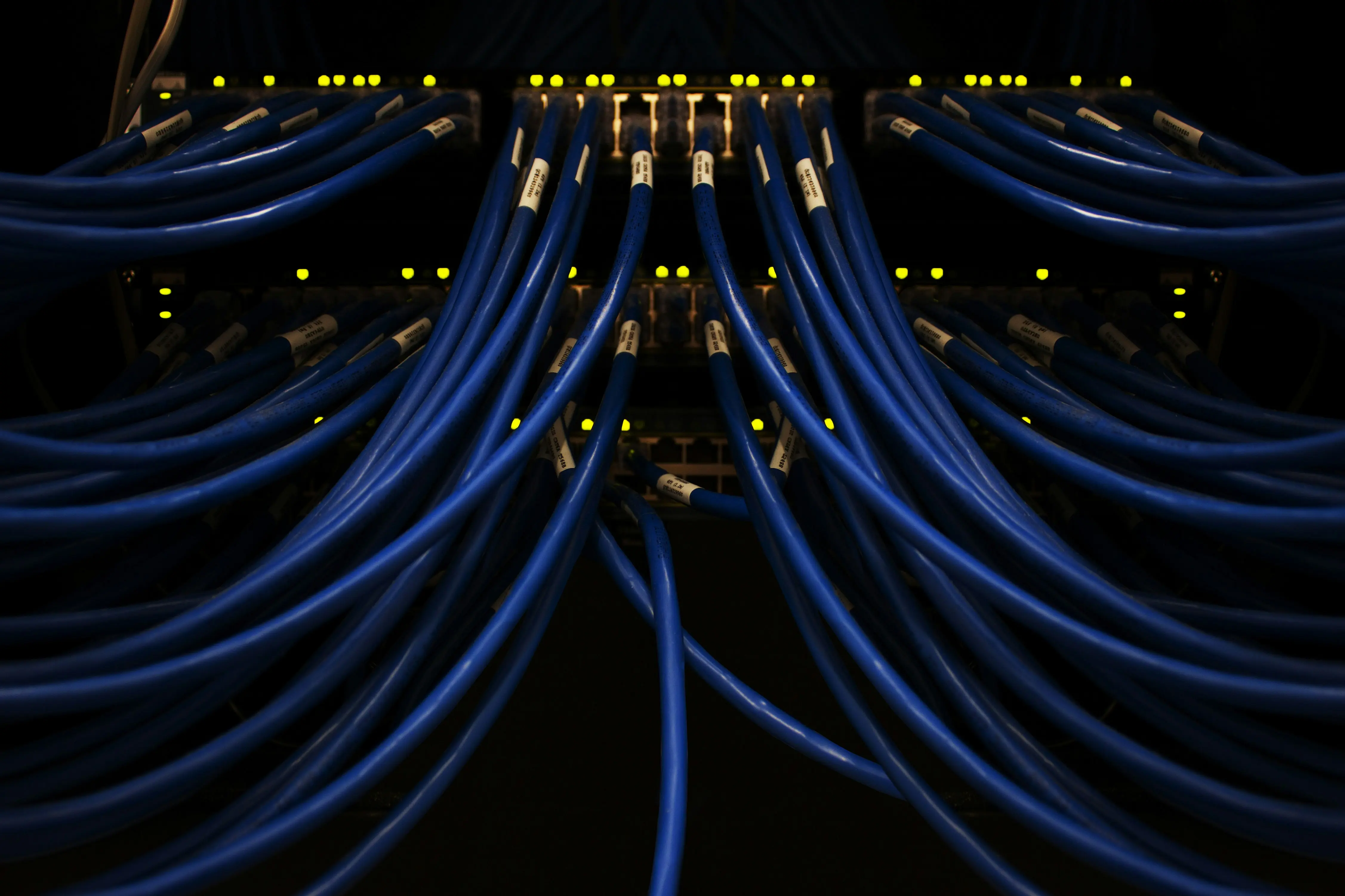
Network cabling and switching infrastructure
CONNECTED SYSTEMS

Security and ICT share the same infrastructure decisions.

CCTV and access-control systems can place significant demands on network infrastructure, especially when video streams, remote access and PoE devices are involved.

Khaya Tech can design the network as part of the security project or as a standalone business-connectivity scope.

  • Wi-Fi coverage planning
  • Structured Cat6/Cat6A cabling
  • Fibre links and uplinks
  • Switching and PoE budgets
  • VLAN and device segmentation
  • Point-to-point wireless links
  • Rack and patch-panel organisation
NETWORK SERVICES

Practical infrastructure for connected sites.

The technology mix depends on distance, capacity, environment, existing infrastructure and the required resilience.

Business Wi-FiStructured cablingFibre infrastructurePoE switchingNetwork racksWireless bridgesVLANsSecurity-device networksRemote-site connectivity
COMMON QUESTIONS

Planning the right solution.

The choice depends on distance, bandwidth, electrical environment and the devices being connected. Fibre is commonly used for longer links and uplinks, while copper is often suitable for endpoint connections within supported distances.

Yes in many designs, but capacity, PoE, security and segmentation should be considered. Separate VLANs or dedicated switching may be appropriate depending on the environment.

Yes. The correct approach is to assess coverage, interference, user density, cabling and access-point placement rather than simply adding more access points.

Wireless bridges can be considered for building-to-building or remote links where the path, distance, interference and bandwidth requirement make them suitable.
PROJECT ENQUIRIES

Need this solution designed around your site?

Tell us what you need. Khaya Tech can help define the scope, technology, implementation approach and next steps.

Request Assessment WhatsApp