SOLAR & OFF-GRID SURVEILLANCE

Security where reliable mains power is not available.

Khaya Tech combines surveillance, solar power, batteries and communications into remote-site solutions designed around the actual load and required autonomy.

REMOTE-SITE DESIGN

Power, communications and surveillance must be engineered together.

A solar camera site is a small power and communications system. Camera load, networking, battery capacity, charging conditions and autonomy all need to be considered together.

01

Measure the Load

Define the continuous and peak consumption of cameras, radios, routers, switches and supporting devices.

02

Size Power & Storage

Select solar generation and battery capacity around operating hours, autonomy and expected site conditions.

03

Plan Connectivity

Choose suitable fibre, wireless bridge or cellular backhaul according to distance and service availability.

04

Protect & Monitor

Use appropriate enclosures, mounting, surge protection and maintenance access for the environment.
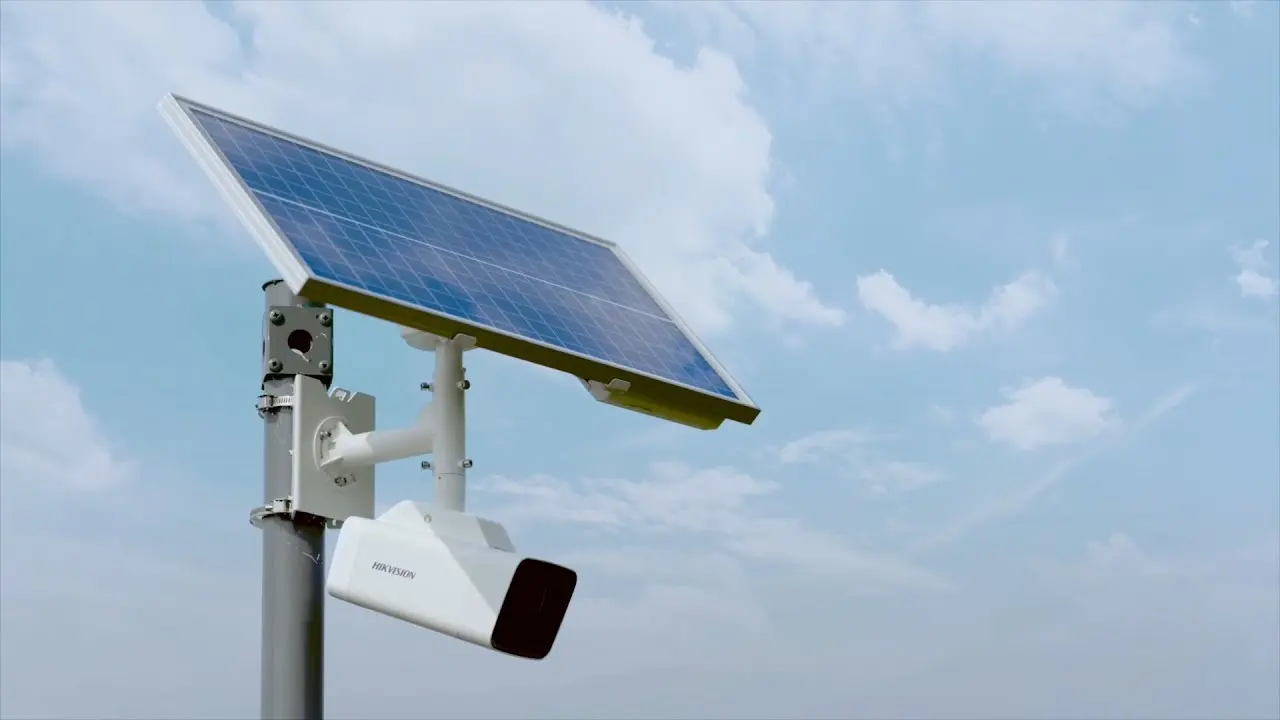
Solar powered CCTV camera
OFF-GRID RELIABILITY

Design for the whole operating cycle.

A remote CCTV solution must continue to power the camera and its communications equipment when sunlight is limited.

The design should therefore consider daily energy use, battery reserve, environmental exposure, communications availability and service access.

  • Solar generation and battery requirement planning
  • Camera and communications power budget
  • Wireless or cellular backhaul options
  • Autonomy and recovery considerations
  • Environmental enclosures and mounting
  • Remote health and access planning
APPLICATIONS

Remote security for difficult locations.

Solar surveillance can support temporary and permanent deployments where grid power is unreliable, expensive or unavailable.

Mining & industrial sitesRemote gatesConstruction sitesAgricultural areasPerimeter pointsEquipment yardsRemote infrastructureTemporary monitoring
COMMON QUESTIONS

Planning the right solution.

The design starts with the actual continuous power load, then considers operating hours, battery autonomy, solar charging conditions, losses and environmental factors.

Yes. The battery system stores energy for operation when solar generation is unavailable, provided the system has been correctly sized and maintained.

Not always. Local recording can operate without internet, while remote viewing or alerts require a suitable communications path such as cellular, wireless or another network link.

It can be suitable for remote mining locations when the selected equipment, mounting, power design, communications and environmental protection match the site requirements.
PROJECT ENQUIRIES

Need this solution designed around your site?

Tell us what you need. Khaya Tech can help define the scope, technology, implementation approach and next steps.

Request Assessment WhatsApp